Georgia SB 447: Clearer Permit Timelines Start with Connected Workflows
Help Your Georgia Agency Manage Review Timelines, Document Decisions, and Improve Permit Transparency
For Georgia cities and counties, a reliable permitting process depends on knowing what has been submitted, who is reviewing it, and what needs to happen next.
Georgia Senate Bill 447, effective July 1, 2026, brings new attention to those everyday responsibilities. It revises land disturbance permit procedures, private professional inspection report procedures, and public building permit status reporting.
For local government teams, this is an opportunity to examine whether their current processes give staff the visibility and coordination they need.
What Georgia SB 447 Changes
For covered land disturbance permit applications, the law establishes a five-day completeness determination, a 45-day initial decision deadline, 20 days for a first resubmission, and 14 days for later resubmissions. It requires written reasons and supporting documentation for denial or nonacceptance, with fee refunds for missed decision deadlines. Exceptions and state-agency review tolling apply.
Beginning January 1, 2028, governments that issued more than 250 building permits in the preceding calendar year must provide public permit status tracking. For this requirement, building permits include land disturbance permits. Information must be searchable and available without charge, registration, or login. Updates must occur contemporaneously with a status change or within one business day.
These provisions make consistent records and clearly assigned responsibilities especially valuable.
Give Staff a Connected View of Every Application
A permit application can involve planning, engineering, building, utilities, and outside reviewers. When information sits in separate inboxes and spreadsheets, staff spend time reconstructing the project's history before they can move it forward.
GeoCivix permit management software brings applications, plans, documents, reviews, and inspections into a centralized project record. Its configurable workflows, automated routing, and notifications help agencies coordinate work across departments.
That shared view helps teams answer practical questions: Who owns the next action? Which review is outstanding? Has the applicant provided revised plans?
Make Submission Requirements Easier to Understand
Clear intake requirements help applicants prepare useful submissions and help staff identify missing information sooner.
With GeoCivix, agencies can configure application forms and workflows around their review processes. The GeoCivix citizen access portal gives applicants a consistent place for online submissions and document uploads, while staff work from the same project information.
During configuration, agencies can define their completeness review steps, required documents, responsible staff, and notifications around the rules that apply to their permit types.
Keep Review Comments and Revisions Organized
Clear communication matters when an applicant needs to correct a submission.
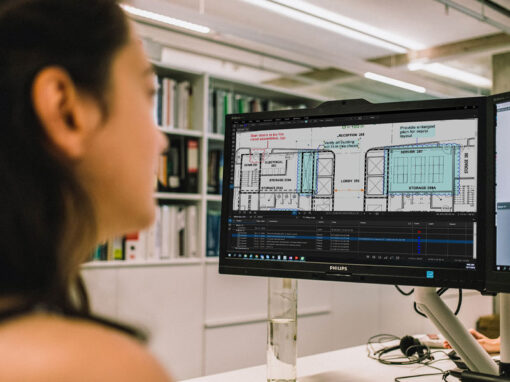
GeoCivix electronic plan review software supports digital markups, version control, review collaboration, and comment letters. These tools help staff organize findings and compare revised plans with earlier submissions.
For agencies reviewing their procedures under SB 447, this creates a practical foundation for consistent correction notices and a clearer record of what changed between review rounds.
Prepare for Public Permit Tracking in 2028
A useful public status page starts with accurate internal information. Agencies should decide how review stages will be recorded, who will update them, and which fields will be displayed publicly.
GeoCivix provides citizen access and permit tracking tools that support project status visibility. A discussion about SB 447 should address the specific public access configuration and required data fields, including reviewing departments, missed deadlines, and denial grounds.
An applicant portal alone does not establish that every statutory requirement has been met. The implementation needs to be evaluated against the law's public access and reporting provisions.
Build a Permitting Process Your Team Can Manage
Modernizing permitting gives staff more than an online application form. It connects intake, review, communication, and project records so teams can manage work with greater clarity.
GeoCivix local government software solutions help local governments bring those steps together in a cloud-based platform configured around their workflows.
Ready to review your agency's permitting process?
Request a GeoCivix demo to discuss your application intake, electronic plan review, and public permit visibility needs—and how your workflows can support Georgia's changing requirements.
TAKE THE NEXT STEP
See the GeoCivix in Action
GeoCivix Citizen Portal & Permitting Software in Action
Cities and towns often struggle with paper-based permitting, slow inspections, and disconnected systems. GeoCivix streamlines permitting, plan review, inspections, and citizen access with secure cloud-based local government software.


Modern permitting and inspection workflows improve staff efficiency, accuracy, and compliance.
Outdated manual permitting and inspection workflows limit efficiency, overwhelm staff, and prevent local governments from scaling inspection management operations.

One Centralized Platform for All Project Data & Documentation
Disconnected systems create duplicate data entry, slow approvals, and reduce visibility across departments.

Improve Transparency for Citizens and Contractors
Enable applicants to view permit status, upload documents, and track progress online through a secure, easy-to-use citizen portal.
WE BUILD RELATIONSHIPS
Our Trusted Clients